Twelve months - 4 min read
The No Spend Year: Twelve Months of Not Buying Anything You Do Not Need
A no spend year is not a punishment. It is a reset. Twelve months of asking "do I need this" before every purchase, and watching the money that would have disappeared into impulse buys accumulate into something visible.
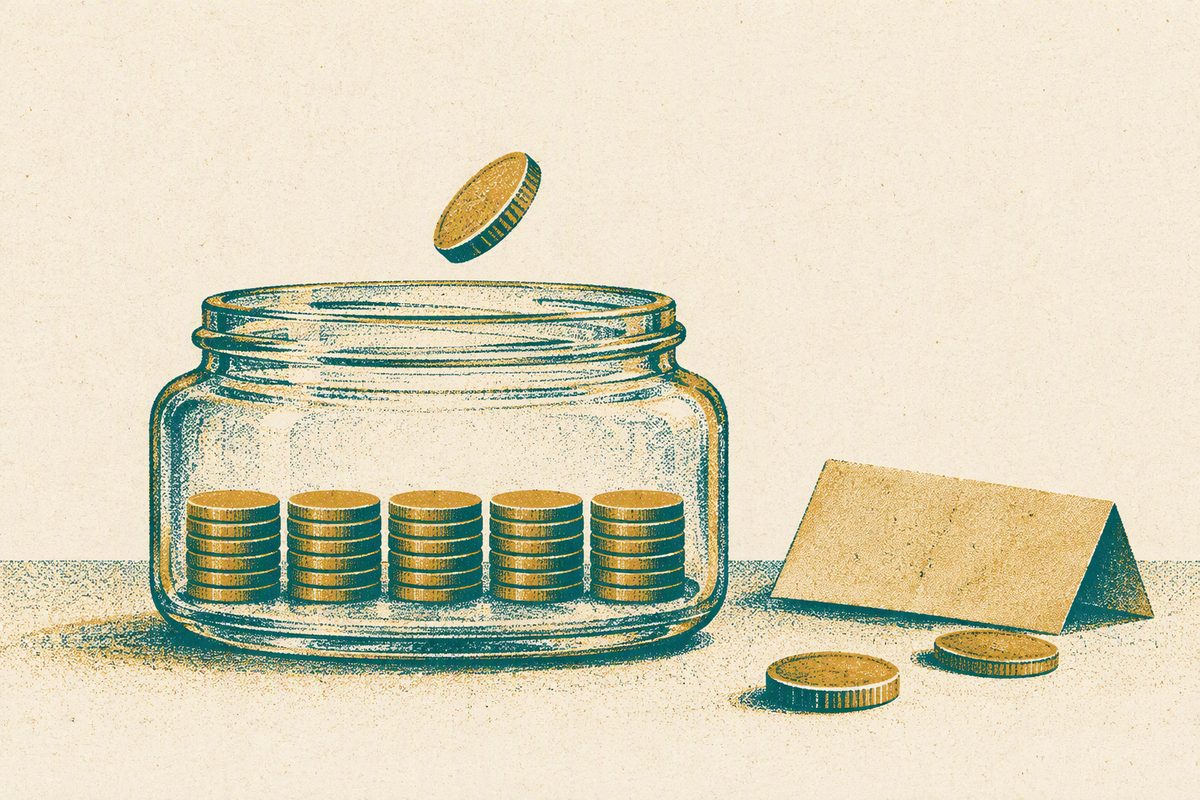
What the no spend year actually is
Twelve consecutive months of not buying anything that is not essential. Essential means: rent or mortgage, utilities, groceries (not eating out), transport (not rideshare), insurance, debt payments, medical expenses. Everything else is a no.
The no spend year is not a no spend month. A month is a sprint; a year is a lifestyle change. The difference is that a month tests your discipline for thirty days; a year tests your ability to redesign your relationship with spending for 365 days.
The year starts on a date you choose. The first of the year is traditional, but any first of any month works. The start date is the date you write on the calendar, and the calendar is what makes the year visible.
The rules underneath the year
Rule one: needs are allowed, wants are not. The distinction is not always clear, and the unclear cases are where the year is won or lost. A new pair of shoes because the old ones have a hole in them is a need. A new pair of shoes because they are on sale is a want.
Rule two: the year is not all or nothing. A month where you slip and buy something unnecessary is not a failed year. It is a failed month. The year continues. The slip is noted, the money is accounted for, and the next month starts fresh.
Rule three: the year is tracked. A year without tracking is just a vague intention. A year with tracking is a visible record of twelve months of decisions. The tracking is the calendar, the spreadsheet, or the notebook where you write down every non-essential purchase you did not make.
The first month is the hardest
The first month is the hardest because the habits are still there. You reach for your phone to order takeout and remember you are not doing that. You walk past a store and see something you want and remember you are not buying it. The first month is a series of small refusals, and each one is a little harder than the last.
The second month is easier because the refusals have become habits. You are not fighting the urge to order takeout; you are cooking because that is what you do now. The habit has replaced the urge, and the replacement is the year.
By the sixth month, the year is not a restriction. It is a lifestyle. You are not "doing a no spend year"; you are "someone who does not buy things they do not need." The identity has shifted, and the shift is what makes the year sustainable.
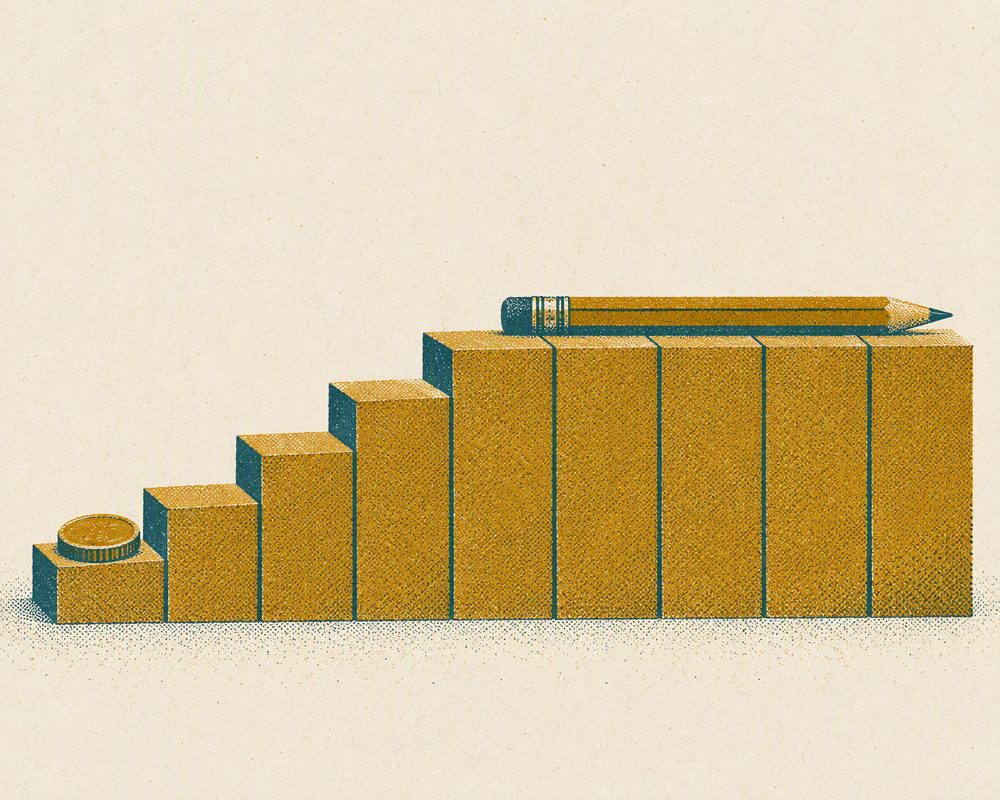
The money that accumulates
The average household spends $500 to $1,000 a month on non-essential purchases. Eating out, clothing, entertainment, gadgets, the small buys that add up to a number you do not notice until you add it up. A no spend year redirects that money into savings.
At $500 a month, the year saves $6,000. At $1,000 a month, the year saves $12,000. The number is not the point; the point is that the money is visible. It is in the savings account, not in the spending history. It is the thing you have, not the thing you had.
The accumulated money is the reward for the year. It is not a prize at the end; it is the result of twelve months of decisions. The decisions were hard; the result is visible. The visibility is what makes the year worth doing.
When the year breaks
The year will break. A holiday will require gifts. A wedding will require travel. A car will break down and need repairs that are not in the budget. The year is not a perfect twelve months; it is a twelve-month attempt to spend only on needs.
When the year breaks, you do not abandon the year. You adjust it. The holiday gifts are a need if you have people to give to. The car repair is a need if you need the car to get to work. The year is flexible; the method is not flexible: spend only on needs, and track the spending.
The alternative to adjusting the year is not "no year." The alternative is "the year I was doing before I broke it," and a broken year that gets adjusted is still a year. No year at all is just spending without thinking.
What the year does not do
It does not make you miserable. The year is not a punishment; it is a reset. The reset is hard at first, but the reset is the point.
It does not replace a budget. The year is a twelve-month focus on needs; the budget is the plan for the money. The two work together.
It does not guarantee savings. The year redirects money that would have been spent into savings. The redirect only works if you actually save the money instead of spending it on something else.
It does one job: it makes the difference between needs and wants visible for twelve months, and visibility is the mechanism that turns spending into a choice instead of a habit.
Want it already laid out? The 52-Week Savings Challenge printable is 78 undated pages: a weekly tracker you stack, four quarterly reviews, streak checks with a "what I skipped" prompt instead of a blank week, and milestone and finish-line pages built around a $2,600 target. $9.99, delivered to your inbox the moment it is bought.
See the printableRead next: the subscription audit worksheet and the savings challenge printable, or all guides. General guidance, not personalised advice. Corrections go to info@88away.com.